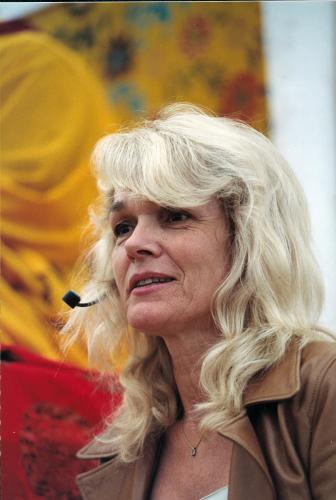

16th Karmapa
H.H. the 16th Gyalwa Karmapa, Rangjung Rigpe Dorje (1924-1981), was born in Derge province in eastern Tibet. The 15th Karmapa, Khakhyab Dorje (1871-1922), left a letter setting forth the circumstances of his next incarnation. On the basis of this letter the authorities of the Tsurphu monastery were able to successfully locate the child.
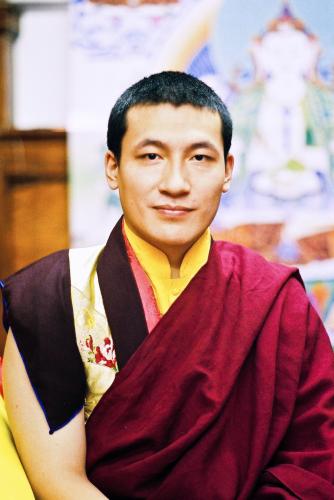
17th Karmapa
H.H. the 17th Gyalwa Karmapa, Trinley Thaye Dorje, was born in Tibet in 1983. He was the first son of the 3rd Mipam Rinpoche, a great Nyingma Lama, and Dechen Wangmo, the daughter of a noble family descending from King Gesar of Ling. At the age of one and a half the boy started telling people that he was the Karmapa.
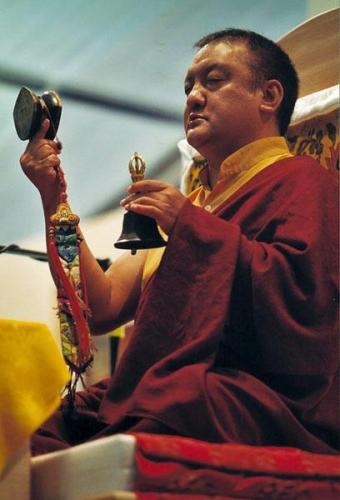
Shamar Rinpoche
An emanation of Buddha Amithaba, the 14th Kunzig Shamar Rinpoche, is second to Gyalwa Karmapa in the spiritual hierarchy of the Karma Kagyu School of Tibetan Buddhism. The first Shamar Rinpoche, Khedrup Trakpe Senge (1283-1349), was the principal disciple of the 3rd Karmapa, Rangjung Dorje.

Lopon Tsechu Rinpoche
Lopon Tsechu Rinpoche, was born in Bhutan in 1918. When he was 13 years old, he left Bhutan to study and practice under the spiritual guidance of his uncle Lama Sherab Dorje in Nepal. There he received full Buddhist training and meditated under severe conditions in the caves of Milarepa and in the holy places of Guru Rinpoche.

Sherab Gyaltsen Rinpoche
Sherab Gyaltsen Rinpoche, a highly respected lama of the Kagyu lineage, is a "Maniwa', a title given to masters of the Chenrezi practice who have accomplished at least a billion of "Om Mani Peme Hung" mantras.

Jigme Rinpoche
Jigme Rinpoche, the reincarnation of the Tibetan yogi, was born into the family of H.H. the 16th Karmapa as the brother of Kunzig Shamar Rinpoche. He received extensive teachings from the 16th Karmapa who, during his first visit in the West, left him there as his representative.
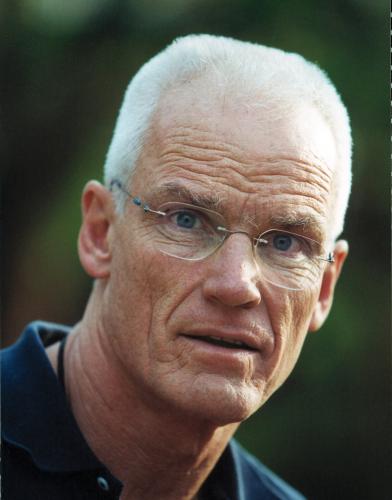
Lama Ole Nydahl
Lama Ole Nydahl is one of the few Westerners fully qualified as a Lama and meditation teacher in the Karma Kagyu Buddhist tradition. Challenging people's concepts of life and Buddhism in an unorthodox manner, Lama Ole has been a major driving force in bringing Buddhism to the West.